In many organisations we hear of the desire for ‘transformation’ or ‘transformative change’. This seems to imply a longing for a kinder, more collaborative environment where increased prosocial behaviour is exhibited. Essentially, the term refers to a better place to work. This desired transformation relates to improvement in organisational culture.
What is Transformation?
Transformation is strictly defined as a radical change in appearance, configuration, or shape. To move from one form to another – such as a caterpillar metamorphising into a butterfly. But does transformation have to involve alteration of external appearances? And does it have to be complete – if only some elements of the object in question change is this still transformation?
Many publicly-funded organisations, when given a grant to enable architectural change or new buildings, seem to assume that this new look will transform the organization. That the changed external appearance will somehow alter all of the internal workings, including the culture. Unfortunately, in many settings, despite a new shiny building, a poor culture remains – to the great dismay of staff.
In this setting, transformation must also relate to a change in the character or inner essence of the organisation. To truly transform, an organisation must also alter its culture with shifts in how people understand, interpret, and carry out their roles and relationships. Within this cultural transformation will be increased feelings of belonging, pride, and affection towards their workplace.
Belief in the Possibility of Transformation
Most of us are beguiled by the possibility of transformation in both a personal and broader sense. The fascination with inspiring change and progression to elevated states is reflected in art, literature, and movies. We love a ‘rags to riches’ tale, or a heroic story of succeeding despite overwhelming odds. In these scenarios the change, or transformation, is often preceded by significant challenges. A period of self-reflection and marshalling inner strengths then leads to overcoming adversity. Adopting positive attitudes and rediscovering resilience allows the protagonist to become more creative and find novel ways to solve the problems they face.
Even as children, these messages are delivered – that we can overcome adversity through determination, dedication to the cause, and courage. We learn that while the process will be scary and hard, it is what we must do.
In Disney’s ‘The Lion King’, the wise King Mufasa had been killed through the actions of his evil brother Scar, and Mufasa’s cub and heir, Simba, had run away due to fear and misplaced guilt. Eventually Simba grew into an adult lion, with an altered appearance. Importantly, he also chose to confront his fears in a desire to help others in the now-neglected kingdom. Simba overthrew Scar to bring about much-needed change that enabled the kingdom to flourish once more. The transformation of Simba paralleled the regeneration of the land and natural order.
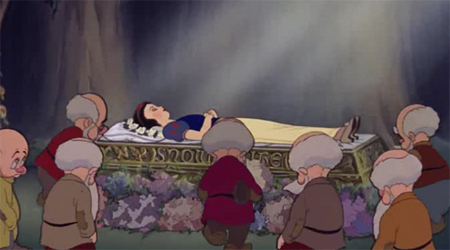
Snow White had fallen into an everlasting sleep through eating a bewitched apple and was cared for by her friends – the seven dwarfs. The dwarfs looked after her in the comatose state for years until eventually Snow White was awoken by “love’s first kiss”. Of course, it was fortunate for Snow White that the kiss was delivered by a handsome and wealthy prince! Snow White awoke, physically transformed into a lovely (and conscious) princess.
Are there lessons that we can learn from these fairy tales? The obvious moral is that even when our circumstances are dire, transformation is possible. Enduring commitment to a noble cause, while not simple or easy, can eventually lead to a positive outcome. Perhaps when change occurs, sometimes things can turn around quickly.
The other learning to take from movies such as the hugely popular Lion King, is that all people are energised and motivated by virtuous goals. All of us want to live in flourishing environments and all will support courageous leadership that holds noble aspirations.
Are the organisations with poor culture simply ‘sleeping’? Can they be awoken with commitment to positive change?
How Do We Start to Transform Our Organisational Culture?
In many aspects of life, the oldest wisdom is the best. It has stood the test of time, and the fact that it remains means it has intrinsic truth that still resonates. So we can learn important lessons about change from philosophers through the ages (just as we can learn from cartoons!).
Just starting to think about organisational culture change can make all of us feel trepidation. Why is that? Because change is hard, and you will face resistance and opposition. It will take courage. You won’t overcome the fear – that will continue. It’s courage that allows you to persist despite the fear and anxiety.
Courage isn’t having the strength to go on. It’s going on when you don’t have the strength. Napoleon Bonaparte
So, we think we have the courage and desire to go on and create transformational change. The first step will be understanding the current situation. Defining any issue in the greatest detail guides the process and even starts the solution. Therefore, what is our cultural problem?
Again, courage is required because we will have to face up to, and surface, assumptions and attitudes that we have been suppressing. We need to admit unhelpful behaviours of our own that we haven’t dealt with. This will be a confronting, yet necessary, step.
It is only when we accept who we are, that we are capable of change. Carl Rogers
But wait! The poor culture….that’s not my fault!…that’s everyone else, isn’t it?
No – it’s all of us. To get culture change means that we all have to understand our own part in it, our contribution to the present state of affairs, and our role in improving things. If we want to see change it has to start with us (yes, we have all heard this one before)
Be the change you want to see in the world. Mahatma Gandhi
What Can I Do?
Yep, this is the point where everything usually falls down. Where the initiative splutters to a standstill. It’s right now that we start to tell ourselves the usual stories: that it’s up to the leader; it’s up to the ones who are causing trouble; it’s up to those that never do anything; I have tried before so it’s not up to me; it’s up to someone else to start…and then I’ll follow.
Get the idea? Does this sound familiar?
Again, if we want change then it’s up to all of us (and please note: everyone is anxious and scared – not just you)
We hear the refrain, “It won’t work! We’ve tried this before!”
Well…if the same techniques and initiatives have failed so many times before, should we give up?
No! Let’s do it differently this time. Let’s combine the wisdom of the ages with the transformation we see in movies, and that we long to believe in.
We can start by imagining what each of the characters in the fairy tale cartoons could do to change the systems they operate in (and we will imagine them in a role in a present-day organisation).
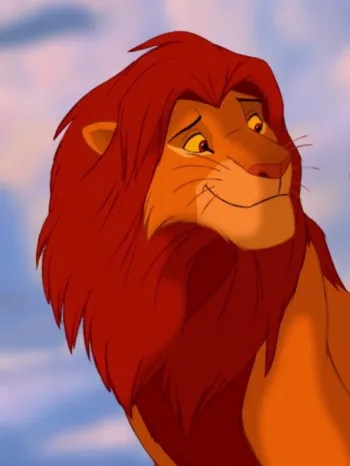
Simba (emerging leader) – often these people are immobilised by fear and doubt when faced with the need for culture change. It’s hard to overcome the resistance and negative voices. Without Simba being brave the negative conditions are not challenged.
So, the Simba’s of the world need to do what they instinctively ‘know’ is right. They can have trust that others will follow their lead. Rather than think about all the current organisational restraints, or all that is wrong, they need to imagine what the group could become. Their positive view of an alternative future will galvanise others to support their dream.
It isn’t what you look at, it’s what you see. Henry Thoreau
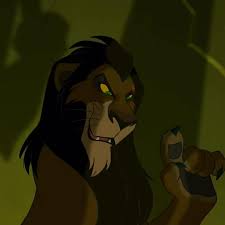
Scar (current leader of failing system) – These leaders will have a tendency to deny the problems and resist change. They may feel that through admitting change is required they are viewed negatively and blamed.
The Scars of the world avoid admitting that previous decisions were poor. These individuals have to understand that part of achieving wisdom is through admitting mistakes. They cannot let their own ego and hubris get in the way of leading for the good of all.
If unable to develop self awareness and exhibit integrity, Scar may need to step aside for the benefit of the organisation.
If you do not change direction, you will end up where you are heading. Lao Tzu

Mufasa (wise elder of the team) – Their greatest days may be past them, but don’t underestimate the value of experienced and balanced mentors. Their words, lessons, and behaviours resonate widely. Others will model on these people creating an ongoing effect for years after they have left any group. This lasting effect must be a positive ongoing influence.
A society grows great when old men plant trees in whose shade they shall never sit. Ancient Greek Proverb
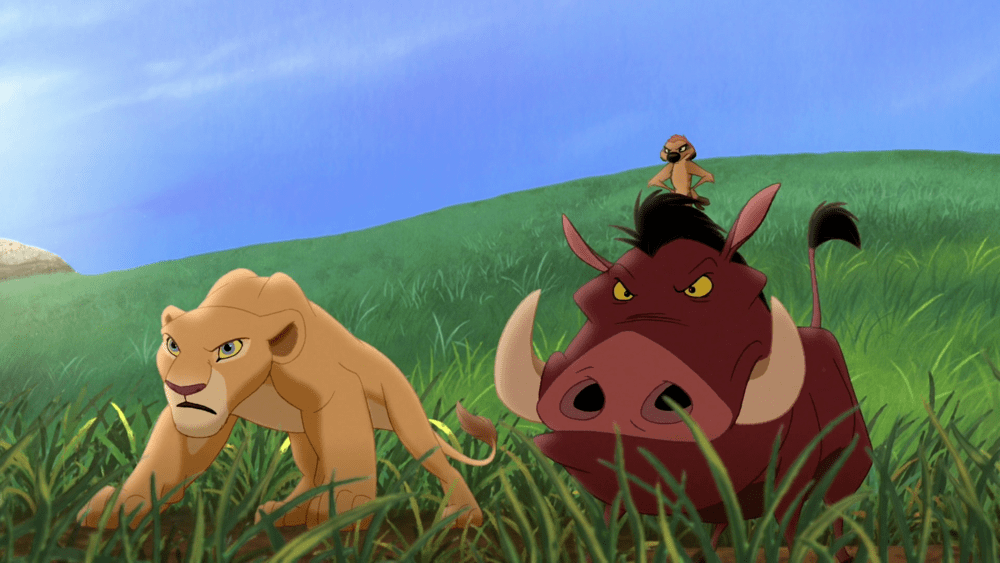
Timon, Pumba, Nala (the quiet achievers and leader’s supports) – these may be the unsung heroes. These are the people who support emerging leaders and changemakers. These are the people who keep the positive messages going at the start of the process – when the pushback is the most fierce.
Being loved by someone gives you strength, while loving someone deeply gives you courage. Lao Tzu
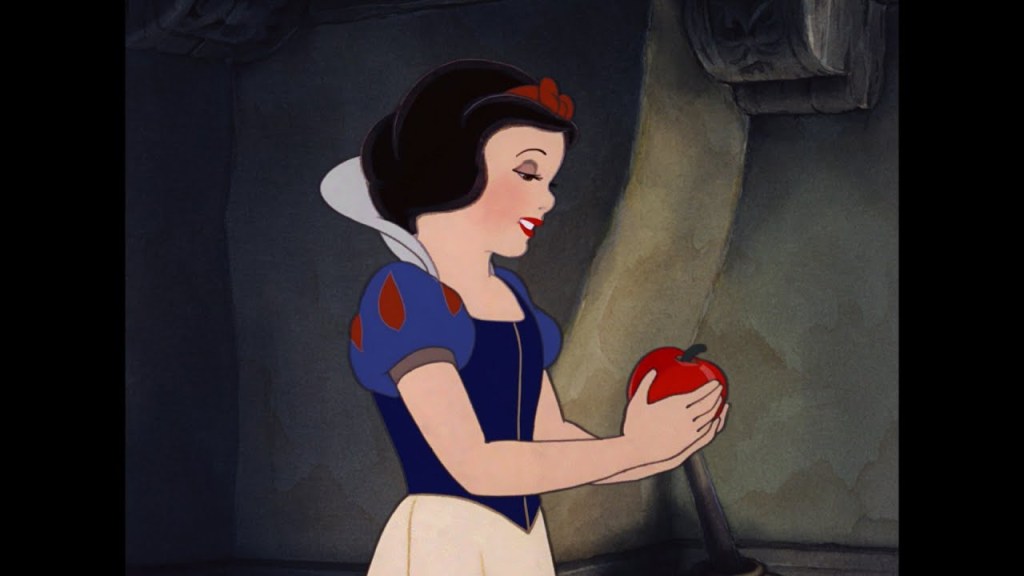
Snow White (disillusioned staff member) – despite suffering in the past and pulling back, the Snow Whites of the organisation must become enthused to commit again. They must realise that when it feels right, the initiative will need everyone’s energy.
Even though exposure to some bad apples has left them dejected, injured, or isolated, the Snow Whites must regain enthusiasm and become part of the solution.
When we are no longer able to change a situation, we are challenged to change ourselves. Viktor Frankl
The Snow Whites can learn further from Frankl, and and understand that what they have endured over the years has given them strength and shown their resilience.
Without the suffering, the growth that I have achieved would have been impossible. Viktor Frankl

Seven Dwarfs (the coal face workers – turning up every day without complaint) – it is up to the organisation to recognise and thank these people. Organisational leaders that do not appreciate these individuals can subsequently have more workers becoming disengaged and suffering with moral injury.
Without these people, the system would have shut down. Their actions every day are essential and through these acts they have a quiet dignity.
Moral excellence comes about because of habit. We become virtuous by doing virtuous acts. Aristotle
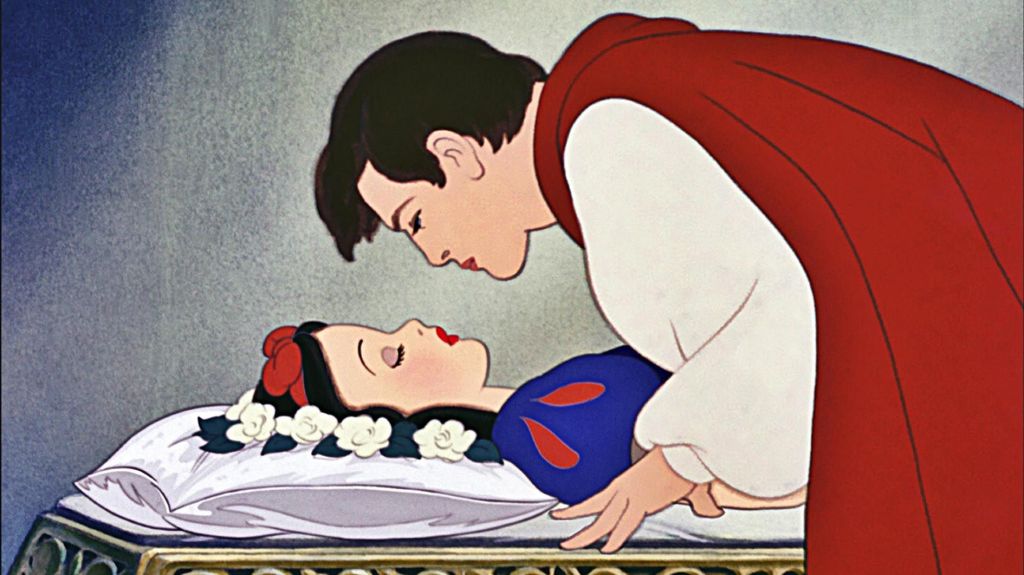
The Prince (the changemaker) – We can all be this person. Every seemingly small action can have big effects. Each ripple creates change.
One small domino on its own seems insignificant, unless it’s the one that can start the whole cascade of assembled dominoes.
The people who are crazy enough to think that they can change the world, are the ones who do. Steve Jobs
If we try hard enough we can resurrect a failing organisational culture.
We have to believe that transformation is possible.
Imagine a new way. It won’t come solely from the actions of one person – it will need input from all.
 MedicalCoachingCulture
Leave a comment